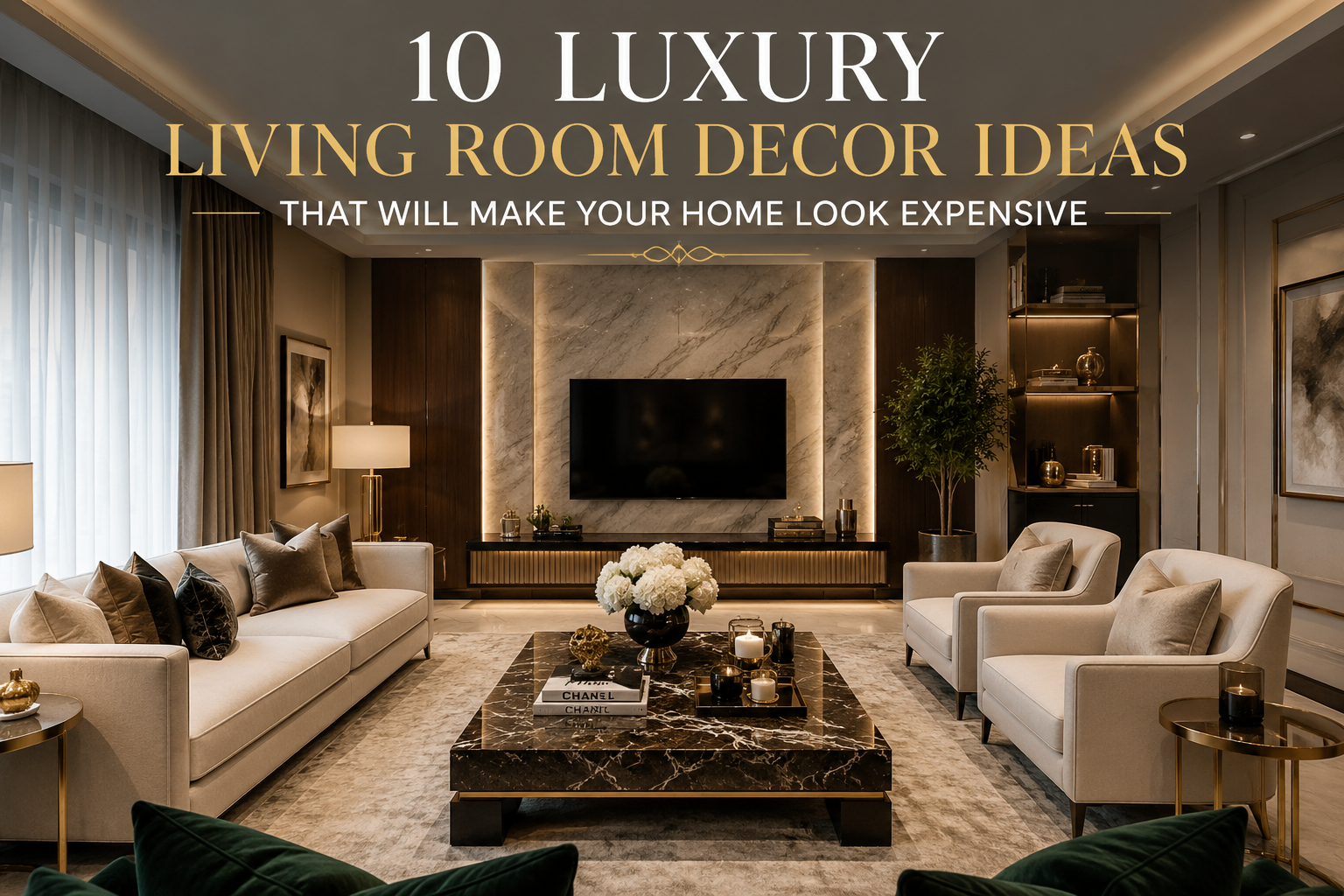
10 Luxury Living Room Decor Ideas That Will Make Your Home Look Expensive
A living room can look “almost finished” for years. The sofa may be fine, the coffee table may be useful, and the walls may technically be painted, but something still feels missing. Maybe the room looks flat in the evening. Maybe the furniture feels pushed against the walls. Maybe the rug is too small, the lighting is too harsh, or the shelves are filled with things that do not really belong there.
This is where luxury living room decor and private kitchen becomes powerful. Luxury is not always about buying the most expensive sofa or installing a marble fireplace. In many homes, the expensive look comes from balance: better scale, warmer lighting, richer texture, cleaner storage, and a color palette that feels intentional from the floor to the ceiling.
After studying high-end interiors, one thing always stands out: luxury living rooms rarely feel random. The seating has a purpose. The coffee table is styled but still usable. The rug actually fits the furniture. Lighting comes from more than one place. The art feels connected to the room instead of being treated as an afterthought.
These 10 luxury living room decor ideas that will make your home look expensive are designed for real homes, not fantasy mansions. Some are simple styling changes. Others are larger upgrades for homeowners planning a deeper refresh. Each idea improves beauty, comfort, storage, lighting, maintenance, or long-term value.
The goal is not to create a room that looks untouchable. A truly beautiful living room should still feel comfortable enough for family, guests, coffee, books, movie nights, and slow Sunday mornings.
Quick Wins for an Expensive-Looking Living Room
- Use a larger rug. A rug that fits under the front legs of your sofa and chairs instantly makes the room look more complete.
- Add at least three light sources. Use a ceiling fixture, floor lamp, and table lamp for a layered designer look.
- Upgrade pillow inserts. Full, down-alternative or feather-blend inserts make pillows look more luxurious.
- Style your coffee table in groups. Use a tray, books, candle, bowl, or vase instead of scattered small items.
- Hide visual clutter. Closed storage, baskets, and cabinets make the room feel calmer and more high-end.
Featured Snippet Questions
How can I make my living room look expensive?
Make your living room look expensive by improving scale, lighting, texture, and organization. Use a properly sized rug, layered lighting, quality curtains, coordinated pillows, and fewer but better accessories. Choose a calm color palette and hide everyday clutter in closed storage to create a cleaner, more polished room.
What colors make a living room look luxurious?
Warm neutrals, creamy whites, taupe, mushroom, caramel, olive, charcoal, deep navy, and soft black can make a living room feel luxurious. The most elegant rooms usually use two or three main colors, then add contrast through wood, metal, stone, fabric, and artwork.
What is the easiest luxury living room upgrade?
The easiest upgrade is lighting. Replace one harsh overhead light with layered lighting from lamps, sconces, and dimmable bulbs. Good lighting makes furniture, wall color, artwork, and textures look richer. It also makes the living room feel warmer and more inviting in the evening.
Does a big rug make a living room look better?
Yes, a larger rug often makes a living room look more expensive because it visually connects the furniture. A small rug can make the room feel broken and unfinished. Ideally, the front legs of the sofa and chairs should sit on the rug to anchor the seating area.
What should every luxury living room include?
A luxury living room should include comfortable seating, a properly sized rug, layered lighting, a strong focal point, practical storage, quality window treatments, and a few personal decorative pieces. The room should feel beautiful, but it should also support real daily living.
Anchor the Room With a Large Statement Rug
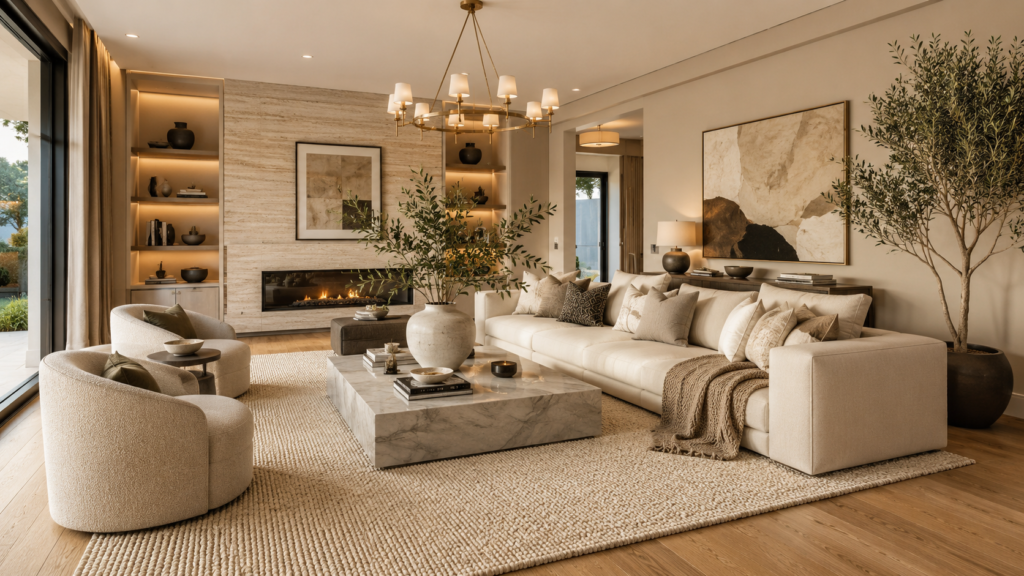
Purpose:
To make the living room feel grounded, larger, and more professionally designed.
Why It Works:
A rug acts like the foundation of the seating area. When it is too small, the furniture looks disconnected. When it is properly sized, the whole room feels intentional.
Key Features:
- Large area rug
- Front legs of furniture on the rug
- Neutral or softly patterned design
- Natural fibers or durable performance fabric
- Balanced furniture placement
Detailed Explanation:
A large rug works in small, medium, and large living rooms because it defines the main seating zone. In a compact apartment, choose a rug that fits at least under the front legs of the sofa. In a larger room, the rug can sit under all major seating pieces.
For a luxury look, use wool, wool-blend, jute-wool, viscose-blend, or high-quality performance rugs. Cream, taupe, greige, oatmeal, soft gray, and muted patterns work well because they layer easily with wood, stone, leather, and linen.
Lighting should fall softly across the rug, especially from floor lamps and table lamps. Add a coffee table with enough breathing room around it so the rug remains visible.
Best For:
Living rooms that feel unfinished, small, or visually scattered.
Designer Tip:
Designers often choose the rug before final pillows and accessories because it sets the color temperature of the whole room.
Common Mistake To Avoid:
Do not buy a rug that floats in the middle of the room with no furniture touching it. It makes the room look smaller and cheaper. Choose a larger size whenever possible.
Maintenance Level:
Medium Maintenance. Wool and performance rugs are durable, but lighter colors need regular vacuuming.
Estimated Budget (USD):
$300–$1,500 for a good ready-made rug; $2,000–$8,000+ for oversized wool or custom rugs.
Choose a Tailored Sofa That Looks Custom
Purpose:
To make the sofa feel like the main investment piece instead of just a place to sit.
Why It Works:
The sofa is usually the largest item in the living room. A well-scaled, clean-lined sofa instantly makes the space feel more expensive.
Key Features:
- Quality upholstery
- Clean silhouette
- Comfortable seat depth
- Balanced cushion structure
- Neutral or timeless fabric
Detailed Explanation:
A luxury-looking sofa does not need to be overly formal. It should have good proportions, comfortable cushions, and fabric that works with your lifestyle. For families and pets, performance fabric is practical. For a softer designer look, linen-blend, velvet, boucle, or textured weave can work beautifully.
Color choices should be long-lasting. Cream, warm gray, taupe, camel, olive, charcoal, and soft brown are easier to style than bright trend colors. If your room is small, choose a sofa with slimmer arms and raised legs. If the room is large, a sectional or deeper sofa can create a relaxed lounge feel.
Add pillows in different textures, not too many patterns. A throw blanket in wool, cashmere-blend, cotton, or linen can finish the look.
Best For:
Primary living rooms, family rooms, open-plan spaces, and homes needing a stronger focal piece.
Designer Tip:
One thing that always stands out is seat height. A sofa that is too low or too bulky can make a room feel awkward, even if the fabric is beautiful.
Common Mistake To Avoid:
Do not choose a sofa only because it looks good online. Measure the room, doorways, and walking paths before buying.
Maintenance Level:
Medium Maintenance. Performance fabrics are easier to clean, while light linen and boucle need more care.
Estimated Budget (USD):
$900–$3,500 for a quality sofa; $4,000–$12,000+ for custom or high-end designer sofas.
Layer Lighting Like a High-End Interior
Purpose:
To make the living room feel warm, flattering, and expensive at every time of day.
Why It Works:
Luxury rooms rarely depend on one ceiling light. Layered lighting adds depth, softness, and mood.
Key Features:
- Ambient ceiling light
- Task lighting for reading
- Accent lighting for art or shelves
- Warm bulbs
- Dimmers where possible
Detailed Explanation:
A living room should have several lighting layers. Ambient light fills the room. Task light supports reading, games, or conversation. Accent light highlights artwork, shelves, plants, or architectural details.
For an expensive look, mix fixture heights. Use a ceiling fixture or chandelier, then add table lamps, floor lamps, and wall sconces if possible. Warm bulbs around 2700K–3000K usually feel better than cold white bulbs in a living room.
This idea works in all room sizes. In small rooms, use slim floor lamps and table lamps. In large rooms, use several lamps so corners do not feel dark.
Best For:
Dark living rooms, open-plan spaces, evening entertaining, and rooms that feel flat.
Designer Tip:
Designers often plan lighting before final styling because light changes how paint, fabric, and artwork appear.
Common Mistake To Avoid:
Do not use only recessed ceiling lights. They can make a room feel harsh. Add lamps at seated eye level for softness.
Maintenance Level:
Low Maintenance. Good LED bulbs last long, and lamps are easy to update.
Estimated Budget (USD):
$150–$1,500 for lamps and bulbs; $2,000–$8,000+ for sconces, chandeliers, and electrical work.
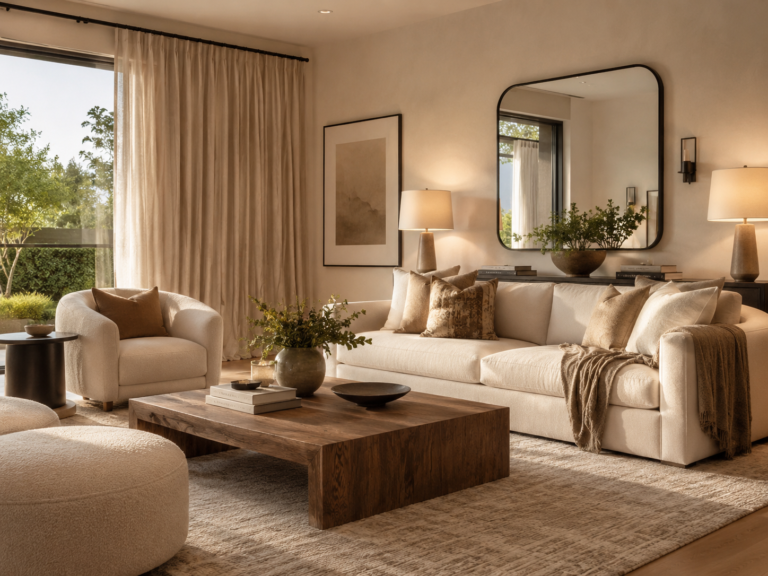
Create a Warm Neutral Color Palette
Purpose:
To create a calm, timeless living room that looks expensive without feeling cold.
Why It Works:
Warm neutrals make a room feel cohesive and easy to layer. They also work with many furniture styles, from modern to transitional.
Key Features:
- Cream, beige, taupe, mushroom, or greige walls
- Wood furniture
- Natural textiles
- Soft contrast
- Repeated tones
Detailed Explanation:
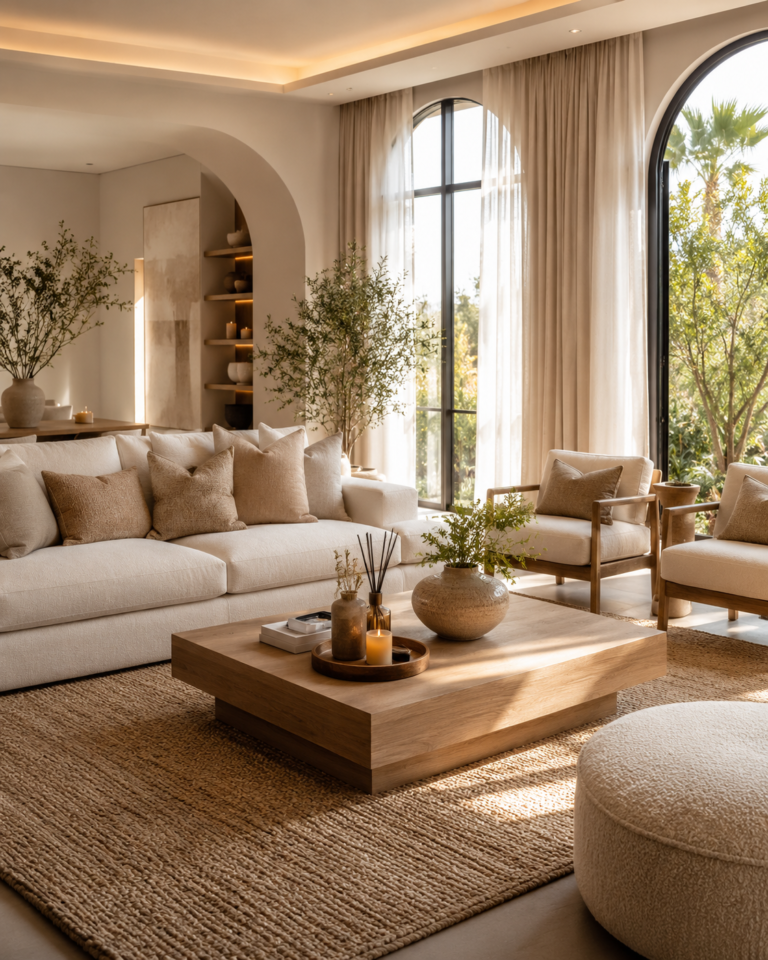
A warm neutral room should not be plain. The secret is layering. Use cream walls, a beige sofa, taupe pillows, oak or walnut tables, and a textured rug. Add contrast through black picture frames, brass lighting, dark wood, or stone accessories.
This palette works especially well in small living rooms because it reflects light without looking stark. In larger rooms, add deeper shades like chocolate brown, olive, charcoal, or cognac to avoid a washed-out look.
Recommended materials include linen, wool, wood, stone, ceramic, leather, and woven natural fibers. Curtains should feel soft and full, not thin and short.
Best For:
Homes needing a timeless, bright, elegant, and easy-to-update look.
Designer Tip:
Designers often repeat the same color family in different textures so the room feels calm but not boring.
Common Mistake To Avoid:
Do not use only flat beige surfaces. Add texture with boucle, wool, linen, wood grain, ribbed ceramics, and woven baskets.
Maintenance Level:
Low to Medium Maintenance. Neutral rooms are easy to restyle, but light fabrics need regular care.
Estimated Budget (USD):
$300–$2,500 for paint, pillows, curtains, and decor; $3,000–$15,000+ with new furniture.
Add Built-In or Built-In-Looking Storage
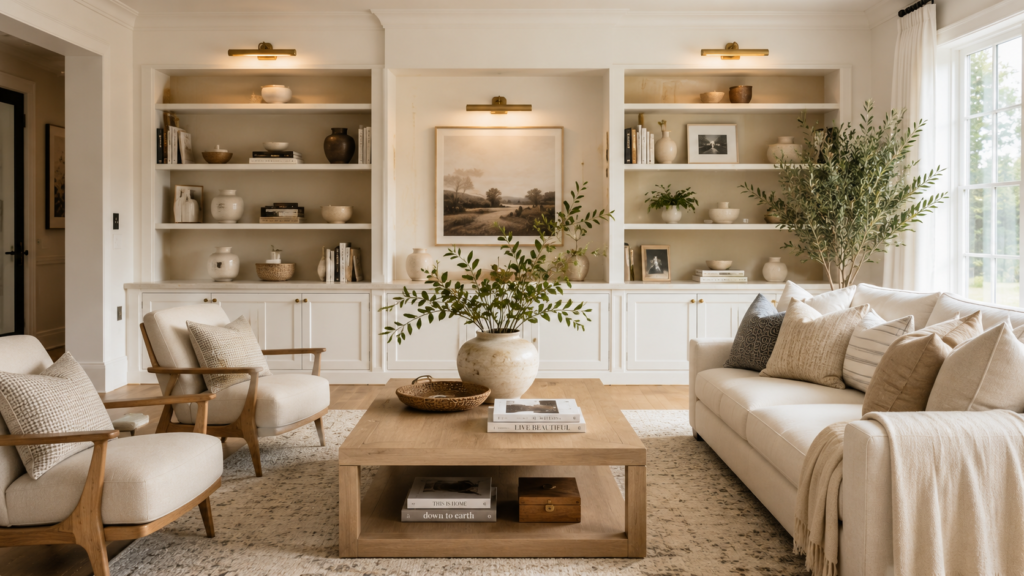
Purpose:
To make the living room feel organized, custom, and high-value.
Why It Works:
Clutter makes even expensive furniture look less polished. Built-in or built-in-looking storage hides daily items while giving the room structure.
Key Features:
- Closed cabinets
- Open display shelves
- Media storage
- Balanced styling
- Integrated lighting
Detailed Explanation:
Built-ins are one of the best ways to make a living room look expensive because they feel architectural. If custom cabinets are not in the budget, use freestanding bookcases, media consoles, or modular storage units that fit the wall closely.
Closed storage should hold remotes, games, cables, blankets, and extra items. Open shelves should display books, ceramics, framed art, baskets, and a few sculptural pieces. Leave empty space so the shelves can breathe.
Color options include warm white, taupe, deep green, charcoal, walnut, or oak. Add picture lights or LED shelf lighting for a more custom effect.
Best For:
Family rooms, media rooms, small homes, and living rooms with clutter issues.
Designer Tip:
A shelf looks more expensive when books are mixed with objects and negative space, not packed from edge to edge.
Common Mistake To Avoid:
Do not style shelves with too many tiny objects. They create visual noise. Use fewer, larger pieces for a cleaner look.
Maintenance Level:
Medium Maintenance. Shelves need dusting, but closed storage keeps the room easier to manage.
Estimated Budget (USD):
$300–$2,000 for modular storage; $5,000–$25,000+ for custom built-ins.
Use Statement Curtains From Ceiling to Floor
Purpose:
To make windows, ceilings, and the entire room feel taller and more refined.
Why It Works:
Curtains frame the room. When hung high and wide, they make the windows look larger and the living room feel more polished.
Key Features:
- Full-length curtains
- Rod mounted higher than the window
- Wide curtain panels
- Linen, cotton, velvet, or performance fabric
- Proper hemming
Detailed Explanation:
Short curtains can make a living room feel unfinished. For a luxury look, hang curtain rods close to the ceiling or several inches above the window frame. Extend the rod wider than the window so the panels can stack beside the glass instead of blocking light.
Choose fabric based on the room. Linen and cotton feel relaxed and airy. Velvet feels richer and helps with sound softness. Performance fabric works well in sunny rooms because it can resist fading better than delicate textiles.
For color, choose curtains close to the wall color for a soft look, or go slightly darker for contrast. Cream, oatmeal, taupe, olive, charcoal, and soft white are safe elegant choices.
Best For:
Rooms with low ceilings, plain windows, or a lack of softness.
Designer Tip:
Designers often use curtains to correct proportions. Even average windows can look grand with the right height and fullness.
Common Mistake To Avoid:
Do not hang curtain rods directly on top of the window frame unless the ceiling is extremely low. It can make the room feel shorter.
Maintenance Level:
Medium Maintenance. Curtains need steaming, dusting, and occasional cleaning.
Estimated Budget (USD):
$150–$1,200 for ready-made curtains and rods; $1,500–$8,000+ for custom drapery.
Style a Sculptural Coffee Table Moment
Purpose:
To make the center of the living room feel polished, useful, and magazine-ready.
Why It Works:
The coffee table is the visual center of many living rooms. Styling it well makes the entire room feel more finished.
Key Features:
- Tray or large bowl
- Coffee table books
- Candle or sculptural object
- Small vase or greenery
- Enough empty surface space
Detailed Explanation:
A luxury coffee table should look styled but still function. Start with one anchor item, such as a tray, bowl, or stack of books. Add height with a vase or branch arrangement. Add softness with a candle, beads, or ceramic object. Leave space for drinks, snacks, or daily use.
Materials matter. Marble, travertine, oak, walnut, glass, metal, and plaster-look finishes can all look elegant. Round tables soften boxy seating, while rectangular tables work well with long sofas.
For small living rooms, use a glass or slim-leg table to keep the space open. For large rooms, consider two smaller tables or one oversized table.
Best For:
Living rooms that look unfinished even after furniture is in place.
Designer Tip:
Designers often style coffee tables in odd-number groupings because they feel more natural to the eye.
Common Mistake To Avoid:
Do not cover the whole table with decor. A luxury room should still feel usable.
Maintenance Level:
Low Maintenance. Dust weekly and avoid placing wet cups directly on stone or wood.
Estimated Budget (USD):
$75–$600 for styling pieces; $300–$3,000+ for a new coffee table.
Mix Materials for a Rich Designer Look
Purpose:
To create depth and make the room feel collected instead of flat.
Why It Works:
Luxury interiors usually combine several materials. The contrast between soft, hard, matte, glossy, warm, and cool surfaces makes the room visually interesting.
Key Features:
- Wood
- Stone
- Metal
- Soft upholstery
- Natural textiles
Detailed Explanation:
A room with only one material can feel basic. A linen sofa, velvet chair, wood table, stone accessory, brass lamp, wool rug, and ceramic vase create layers without needing loud colors.
The key is control. Choose two or three main materials, then repeat them. For example, use walnut in the coffee table and picture frames, brass in lamps and hardware, and linen in sofa and curtains. Repetition makes the mix feel intentional.
This idea works in every room size. In small rooms, keep the palette simple and use texture for depth. In large rooms, stronger contrasts like black metal, deep wood, and stone can hold the space better.
Best For:
Neutral rooms, modern homes, and spaces that feel plain or too matched.
Designer Tip:
Designers often mix materials to create quiet luxury without relying on bold color.
Common Mistake To Avoid:
Do not mix too many finishes at once. A room with five metals, three woods, and many fabrics can look chaotic.
Maintenance Level:
Medium Maintenance. Different materials need different care, especially stone and delicate upholstery.
Estimated Budget (USD):
$300–$2,500 for accent materials; $5,000–$20,000+ for full furniture upgrades.
Create a Strong Focal Wall
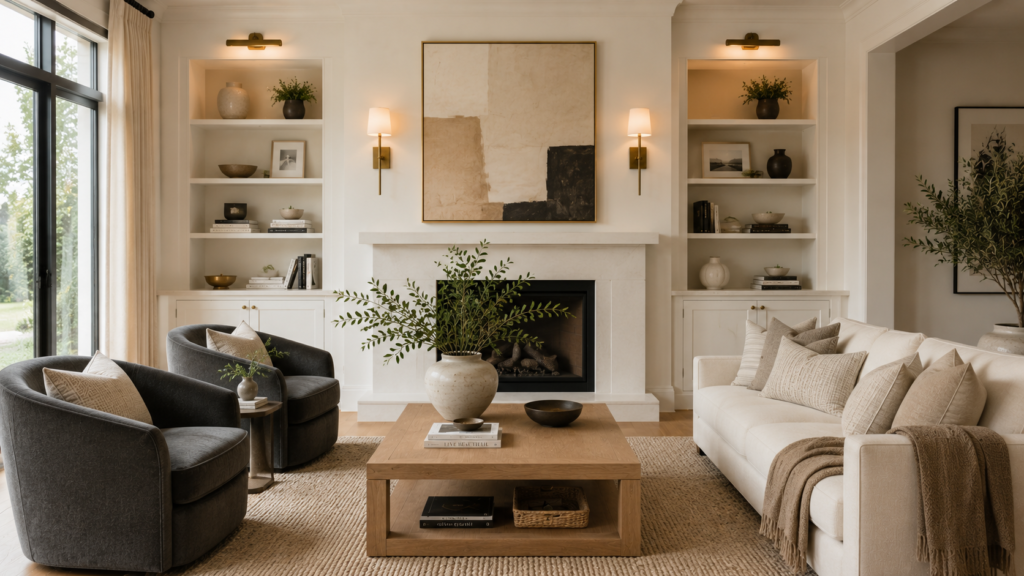
Purpose:
To give the living room a clear visual center.
Why It Works:
A focal wall helps the room feel organized. It tells the eye where to land and makes the design feel deliberate.
Key Features:
- Large artwork, fireplace, media wall, or shelving
- Balanced furniture layout
- Accent lighting
- Controlled decor
- Strong but simple composition
Detailed Explanation:
Every expensive-looking living room needs a focal point. It can be a fireplace, large artwork, built-in shelves, a beautiful window, or a media wall. The goal is not to make one wall busy. The goal is to make it visually strong.
If you use artwork, choose one large piece instead of many small random pieces. If you use a TV wall, balance the screen with a long console, lamps, art, or shelving. If you have a fireplace, avoid overcrowding the mantel.
Color can be subtle. A warm white wall with large art can look as expensive as a dark accent wall when the scale is right.
Best For:
Living rooms that feel directionless or have furniture arranged without purpose.
Designer Tip:
Designers often build the seating layout around the focal wall so the room feels comfortable and visually balanced.
Common Mistake To Avoid:
Do not make the TV the only styled element unless it is balanced with furniture, lighting, or art.
Maintenance Level:
Low Maintenance. Artwork and focal walls need occasional dusting and simple upkeep.
Estimated Budget (USD):
$150–$1,500 for art and styling; $3,000–$20,000+ for fireplace, millwork, or media wall updates.
Add Quiet Luxury Accessories
Purpose:
To finish the living room with refined details that feel expensive but not overdone.
Why It Works:
Accessories are the final layer. When chosen carefully, they add softness, personality, and a designer finish.
Key Features:
- Quality pillows
- Throw blanket
- Books
- Ceramic or stone decor
- Fresh or realistic greenery
Detailed Explanation:
Quiet luxury accessories should feel calm, useful, and tactile. Choose fewer pieces with better shape and texture. A linen pillow, wool throw, ceramic vase, stone tray, and stack of books can do more than a dozen small objects.
Stick to a controlled palette. If your room is neutral, accessories can add depth through olive, rust, chocolate, charcoal, or navy. If your room already has strong color, keep accessories quieter.
Plants and flowers help soften the room. Use one large plant in an empty corner or a simple branch arrangement on the coffee table. Avoid fake-looking plastic greenery. High-quality faux branches can work if they look natural.
Best For:
Any living room that needs a final polished layer.
Designer Tip:
Designers often use accessories to repeat the room’s main colors, which makes everything feel connected.
Common Mistake To Avoid:
Do not buy accessories just to fill space. Empty space is part of luxury design.
Maintenance Level:
Low Maintenance. Wash throws and pillow covers as needed, and dust decorative pieces weekly.
Estimated Budget (USD):
$100–$1,000 for accessories; $1,500–$4,000+ for premium textiles and decor.
Professional Designer Advice for a Luxury Living Room
Layout Planning
Start with the function of the room. Is it for entertaining, family movie nights, quiet reading, or open-plan living? The layout should support that purpose. Place seating close enough for conversation, but leave clear paths for movement.
Avoid pushing every piece of furniture against the wall. In many rooms, pulling the sofa slightly inward makes the seating area feel more intimate and designer-led.
Lighting
Use ambient, task, and accent lighting. A chandelier or ceiling fixture provides general light. Floor lamps and table lamps support reading and conversation. Picture lights, sconces, or shelf lighting add depth.
Dimmers are worth considering because they let the room shift from daytime function to evening warmth.
Scale
Scale can make or break a luxury look. A tiny coffee table in front of a large sectional looks weak. A small rug under a large sofa looks unfinished. Match the size of your furniture to the room and to each other.
Balance
A balanced room does not need to be perfectly symmetrical. It simply needs visual weight on both sides. If one side has a tall bookcase, balance it with curtains, art, a plant, or floor lamp on the other side.
Color Harmony
Choose a clear palette. A simple formula is one main color, one secondary color, and one accent. For example: cream walls, warm wood furniture, and olive accents. This keeps the room calm and cohesive.
Material Selection
Use materials that look good and handle real life. Performance fabric, wool rugs, solid wood, metal, stone, ceramic, and washable pillow covers are practical choices. Avoid delicate materials in areas used by children, pets, or heavy traffic unless you are ready for extra care.
Long-Term Durability
Invest more in the pieces you use daily: sofa, rug, lighting, curtains, and storage. Use smaller accessories for seasonal updates. This keeps the room flexible and prevents expensive regret.
Common Living Room Decor Mistakes to Avoid
1. Buying a Rug That Is Too Small
This is one of the most common mistakes. A small rug makes the seating feel disconnected. Choose a rug large enough to touch the front legs of the main furniture.
2. Using Only One Light Source
A single ceiling light creates flat shadows. Add lamps and accent lighting for warmth and depth.
3. Choosing Furniture Without Measuring
Large sofas and sectionals can overpower a room. Measure the walls, walking paths, doors, and rug size before buying.
4. Hanging Curtains Too Low
Low curtain rods make ceilings feel shorter. Hang curtains higher and wider to make the room feel taller.
5. Overdecorating Shelves
Too many small items make shelves look messy. Use books, baskets, ceramics, art, and empty space.
6. Ignoring Storage
A beautiful living room still needs places for remotes, blankets, chargers, games, and everyday items. Closed storage keeps the room elegant.
7. Matching Every Furniture Piece
A full matching set can feel flat. Mix wood, fabric, metal, and stone while keeping the color palette connected.
8. Choosing Paint Before Testing Samples
Paint changes with light. Test samples on different walls and look at them in morning, afternoon, and evening light.
9. Forgetting Comfort
A room can look beautiful but feel uncomfortable. Choose seating, lighting, and layouts that support real daily use.
Luxury Living Room Budget Guide
Budget Friendly: $150–$2,500
This range is best for quick visual upgrades. Focus on styling, lighting, pillows, curtains, paint, and organization.
Best upgrades:
- Larger rug
- Table lamps or floor lamps
- New pillows and throws
- Coffee table styling
- Curtains
- Paint refresh
- Storage baskets
Mid Range: $2,500–$15,000
This range can create a major transformation without full construction. You can replace key furniture, upgrade lighting, add window treatments, and improve storage.
Best upgrades:
- Quality sofa
- Large wool or performance rug
- Accent chairs
- Coffee table
- Media console
- Custom-looking curtains
- Better lighting
Luxury: $15,000–$60,000+
This range is for full living room redesigns with designer furniture, custom built-ins, premium lighting, high-end rugs, custom drapery, fireplace updates, and professional installation.
Best upgrades:
- Custom built-ins
- Designer sofa and chairs
- Oversized hand-knotted or wool rug
- Custom drapery
- Layered lighting plan
- Fireplace or focal wall upgrade
- Premium art and accessories
Conclusion
An expensive-looking living room is not created by one dramatic purchase. It is created through a series of smart decisions that work together: a rug that fits, lighting that flatters, furniture with the right scale, curtains that frame the room, storage that hides clutter, and accessories that feel chosen rather than collected by accident.
Start with the weakest part of your room. If the space feels empty, begin with the rug and furniture layout. If it feels cold, add warm lighting, wood, and texture. If it feels messy, improve storage before buying more decor. If it feels plain, create a stronger focal wall or add layered materials.
The best luxury living rooms are beautiful, but they are also livable. They invite people to sit down, talk, rest, read, watch a movie, or enjoy a quiet cup of coffee. When your living room looks polished and still feels comfortable, that is the kind of expensive style that lasts.