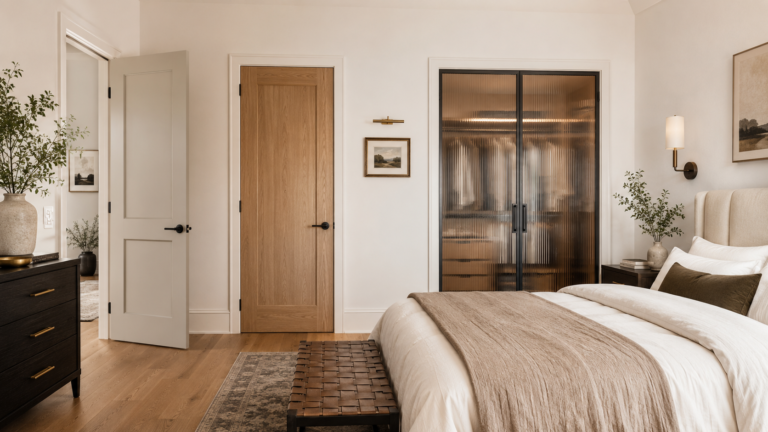
8 Bedroom Decor Ideas You’ll Love in 2050
Bedrooms have changed a lot over the years, but the reason we care about them has stayed the same: we want a room that helps us feel safe, calm, rested, and a little more ourselves. The problem is that many bedrooms still end up as leftover spaces. The living room gets the beautiful sofa. The kitchen gets the expensive finishes. The bedroom gets the random furniture, old bedding, poor lighting, and the chair that somehow becomes a laundry pile by Friday.
But by 2050, the bedrooms people will love most will not be the ones filled with flashy gadgets or impossible “future home” ideas. They will be bedrooms designed around better sleep, softer lighting, smarter storage, healthier materials, flexible furniture, and personal comfort. In other words, the future of bedroom decor is not about making your room look like a spaceship. It is about making your bedroom work harder for your real life.
A beautiful bedroom in 2050 will feel peaceful in the evening, energizing in the morning, easy to clean, and flexible enough to change as your lifestyle changes. It may include smart lighting, low-VOC paint, breathable bedding, multi-use furniture, natural textures, and better acoustic comfort. These are not imaginary trends. They are practical design choices already available today and becoming more important as homes become smaller, busier, and more wellness-focused.
These bedroom decor ideas you’ll love in 2050 are written for homeowners, renters, Pinterest users, and design lovers who want a bedroom that feels fresh now and still makes sense years later. Each idea focuses on beauty, comfort, storage, lighting, maintenance, and long-term value.
Quick Wins for a More Ready Bedroom Decor Ideas
- Replace harsh bulbs with warm dimmable LEDs. Warm, adjustable lighting makes the bedroom feel calmer and more expensive.
- Clear the bedside table. Keep only a lamp, book, water glass, small tray, or one personal item.
- Use breathable bedding. Cotton, linen, bamboo-blend, and TENCEL-style fabrics can make the bed feel cooler and more comfortable.
- Add one natural texture. Wood, wool, rattan, linen, or clay instantly makes the room feel warmer.
- Create hidden storage. Under-bed drawers, storage benches, and closed cabinets help reduce visual clutter.
Featured Snippet Questions
What will bedroom decor look like in 2050?
Bedroom decor in 2050 will likely focus on comfort, wellness, sustainability, smart lighting, flexible furniture, and calming natural materials. The best future bedrooms will not feel overly futuristic. They will feel restful, practical, easy to maintain, and designed around better sleep, storage, lighting, and personal comfort.
What bedroom colors will still look good in the future?
Warm neutrals, soft greens, clay tones, muted blues, warm whites, taupe, mushroom, and deep natural shades will likely remain useful because they follow real color harmony. These colors are calming, easy to layer, and work well with wood, stone, linen, wool, and metal accents.
How can I make my bedroom look modern but timeless?
Choose simple furniture lines, quality bedding, layered lighting, natural textures, and a limited color palette. Avoid overdecorating with short-lived trends. A timeless modern bedroom usually has good scale, comfortable materials, hidden storage, and a few personal details instead of too many matching pieces.
Are smart bedrooms worth it?
Smart bedroom features can be worth it when they improve comfort rather than create distraction. Dimmable lights, automated blackout shades, quiet fans, air-quality monitors, and temperature control can support better sleep. Avoid adding technology that creates visual clutter, noise, or unnecessary screens near the bed.
What is the most important part of bedroom design?
The most important part of bedroom design is creating a sleep-friendly environment. Temperature, light, noise, comfort, and clutter all affect how restful the room feels. A beautiful bedroom should also support daily routines with practical storage, good lighting, and furniture that fits the room properly.
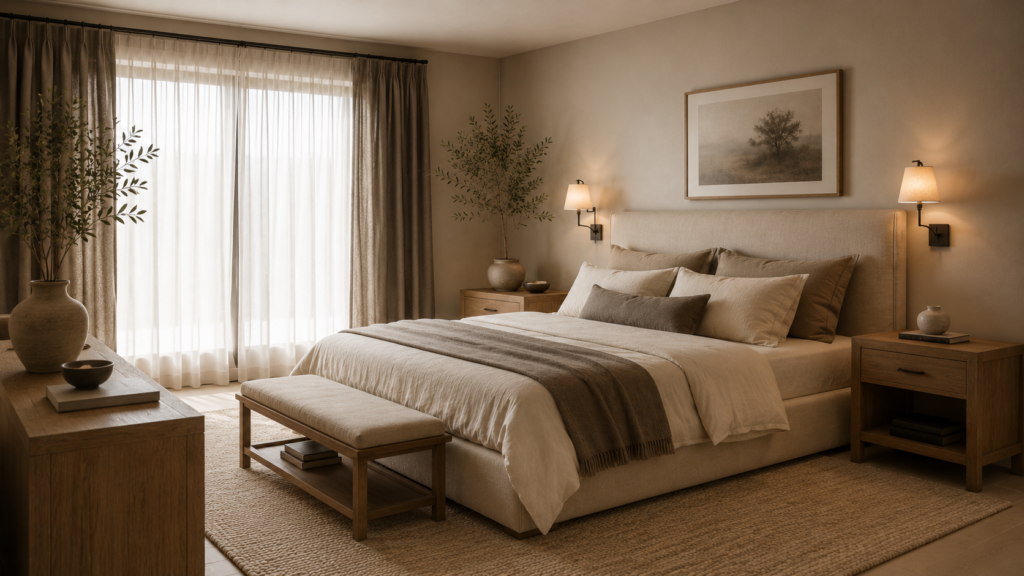
1. The Sleep-First Sanctuary Bedroom
Purpose:
To design the bedroom around better rest, not just appearance.
Why It Works:
A sleep-first bedroom controls light, noise, temperature, and clutter. Sleep experts often point to temperature, light, noise, and comfort as key parts of a better bedroom environment.
Key Features:
- Blackout curtains or blackout shades
- Soft upholstered headboard
- Warm dimmable lighting
- Breathable bedding
- Minimal bedside clutter
Detailed Explanation:
This idea works in almost any bedroom size because it begins with comfort. Start with the bed wall. A padded headboard adds softness, absorbs a little sound, and makes the bed feel more finished. Choose bedding in cotton, linen, bamboo-blend, or TENCEL-style fabric for breathability.
For color, use warm white, oatmeal, soft taupe, clay beige, or muted sage. These shades feel restful without looking cold. Lighting should be layered: wall sconces for reading, a ceiling fixture for general light, and dimmable bulbs for evening.
This bedroom benefits small rooms because the design is calm and uncluttered. In large rooms, add a bench or reading chair to make the space feel complete.
Best For:
Light sleepers, busy professionals, small bedrooms, primary bedrooms, and anyone who wants a calmer evening routine.
Designer Tip:
Designers often recommend placing the bed where you can see the door while still having a solid wall behind the headboard. It creates a stronger sense of comfort and visual balance.
Common Mistake To Avoid:
Do not use bright white or cool blue lighting at night. It can make the room feel harsh. Use warm dimmable bulbs instead.
Maintenance Level:
Low Maintenance. The room stays easy to clean because decor is minimal and storage is controlled.
Estimated Budget (USD):
$300–$2,500 for bedding, curtains, lighting, and styling. $3,000–$8,000+ if replacing furniture.
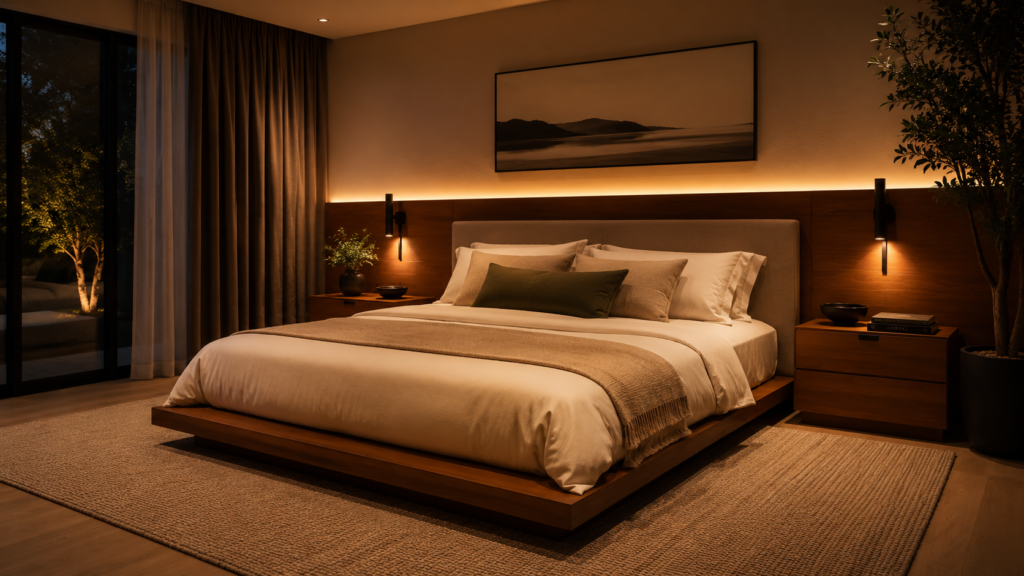
2. The Smart Lighting Bedroom
Purpose:
To use lighting that supports mood, sleep, reading, dressing, and morning routines.
Why It Works:
Lighting affects how a bedroom feels more than most people realize. LEDs are energy efficient, and ENERGY STAR notes LED products use far less energy than incandescent bulbs.
Key Features:
- Dimmable LED bulbs
- Bedside sconces or pendant lights
- Hidden accent lighting
- Warm light temperature
- Smart switches or simple dimmers
Detailed Explanation:
A smart lighting bedroom does not need to be complicated. Start with three layers: general lighting, task lighting, and mood lighting. General lighting can be a ceiling fixture. Task lighting can be sconces or lamps beside the bed. Mood lighting can be LED strips behind the headboard, under floating shelves, or inside wardrobes.
For bedrooms, warm light usually feels best. Around 2700K to 3000K creates a softer evening mood. If you use smart bulbs, choose ones that can shift from brighter morning light to warmer evening light.
This idea is especially useful in windowless bedrooms, apartments, and rooms used for both resting and working. It also improves property value because good lighting makes the room feel more finished.
Best For:
Modern bedrooms, apartments, rental-friendly updates, and bedrooms with poor natural light.
Designer Tip:
A common designer trick is to avoid one lonely ceiling light. Bedrooms feel more expensive when light comes from more than one height.
Common Mistake To Avoid:
Do not install bright LED strips where they shine directly into your eyes. Hide them behind furniture, headboards, or shelves for a soft glow.
Maintenance Level:
Low Maintenance. Quality LED fixtures last long and reduce frequent bulb changes.
Estimated Budget (USD):
$100–$800 for lamps, bulbs, and smart plugs. $1,000–$4,500+ for hardwired lighting.
The Biophilic Bedroom With Natural Texture
Purpose:
To create a bedroom that feels calm, grounded, and connected to nature.
Why It Works:
Natural materials such as wood, clay, stone, linen, wool, and rattan bring warmth into the bedroom. Current design conversations continue to highlight biophilic design, natural textures, and wellness-focused rooms as major directions for interiors.
Key Features:
- Wood furniture
- Linen or cotton bedding
- Indoor plants
- Woven baskets
- Earthy colors
Detailed Explanation:
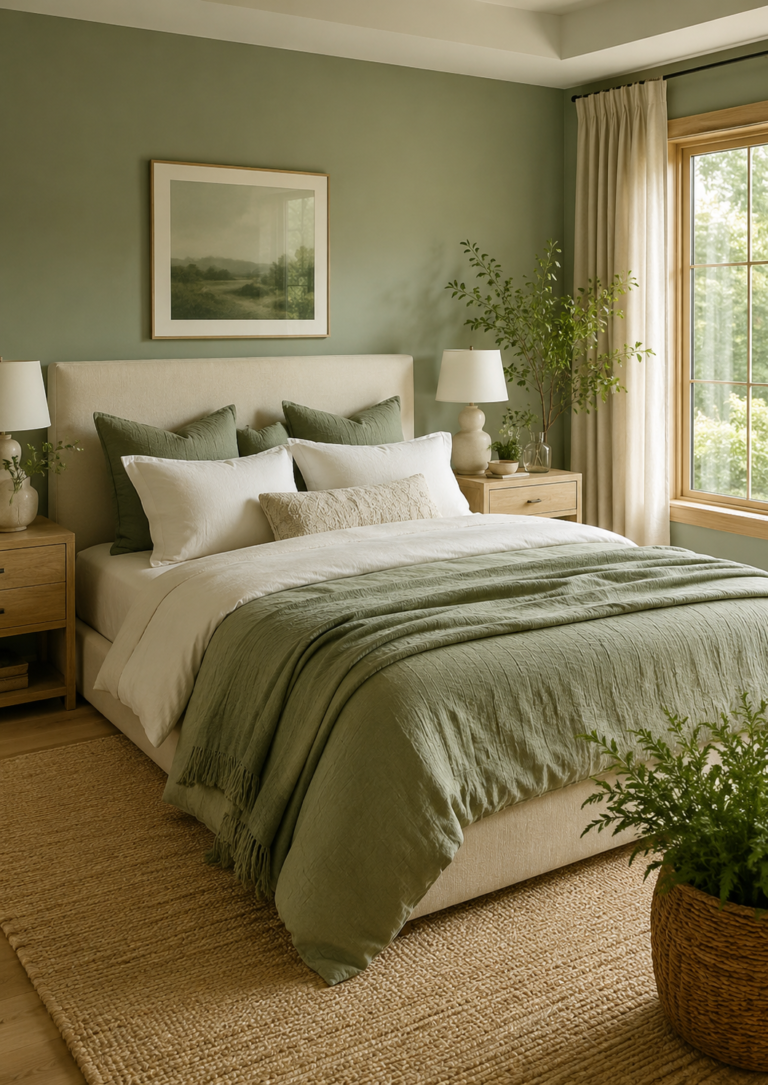
A biophilic bedroom works best when it feels natural, not overdecorated. Use a wood bed frame or nightstands, then layer textiles such as linen bedding, a wool rug, and woven baskets. Add plants only where they can realistically survive. Snake plants, pothos, ZZ plants, and peace lilies are common indoor options, depending on light and care.
Color combinations should come from nature: sage and cream, clay and oatmeal, olive and walnut, or sand and soft white. Lighting should feel like daylight in the morning and warm in the evening.
This idea suits small bedrooms because natural textures add depth without needing many accessories. In large bedrooms, use plants and rugs to soften empty corners.
Best For:
Nature lovers, neutral bedrooms, warm minimalist spaces, and rooms that feel too cold or plain.
Designer Tip:
Designers often use plants and wood to soften hard surfaces and make a room feel more emotionally comfortable.
Common Mistake To Avoid:
Do not overcrowd the room with too many plants. A bedroom should feel restful, not like a greenhouse.
Maintenance Level:
Medium Maintenance. Plants need care, and natural fiber rugs may need regular vacuuming.
Estimated Budget (USD):
$150–$1,500 for plants, textiles, baskets, and lighting. $2,000–$7,000+ with new wood furniture.
The Modular Small-Space Bedroom
Purpose:
To make a small bedroom feel organized, flexible, and comfortable.
Why It Works:
Homes and apartments are becoming more space-conscious. A modular bedroom uses furniture that does more than one job, helping the room stay beautiful and functional.
Key Features:
- Storage bed
- Wall-mounted nightstands
- Slim wardrobe
- Fold-down or small desk
- Closed storage
Detailed Explanation:
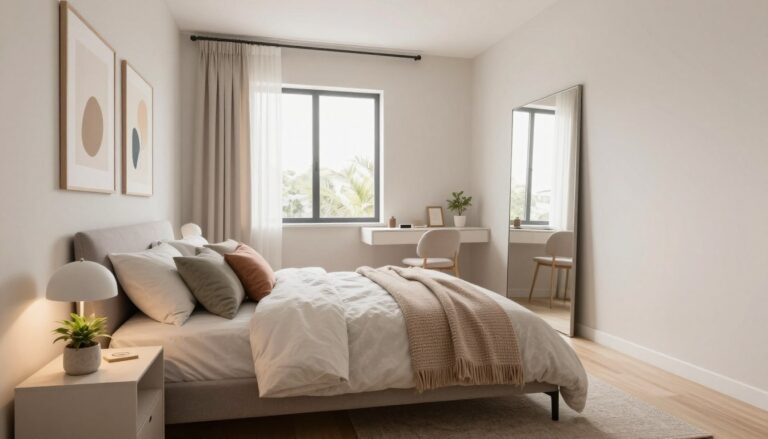
This idea works especially well in apartments, guest bedrooms, teen rooms, and small primary bedrooms. A storage bed can hold bedding, seasonal clothing, or extra pillows. Wall-mounted nightstands free up floor space. A narrow desk can become a vanity, laptop station, or writing surface.
Use light colors to open the room visually. Warm white, pale gray, soft beige, and light oak make the space feel bigger. Avoid bulky furniture with heavy legs. Choose clean lines and pieces that fit the wall length properly.
Lighting should be vertical and space-saving. Wall sconces, plug-in sconces, and slim floor lamps work better than oversized table lamps in tight rooms.
Best For:
Small bedrooms, apartments, guest rooms, rental spaces, and multi-purpose rooms.
Designer Tip:
One thing that always stands out in small rooms is scale. Furniture that is two inches too deep can make the whole room feel wrong.
Common Mistake To Avoid:
Do not buy a large bed frame with thick sides for a small room. Choose a slim platform bed or storage bed with clean edges.
Maintenance Level:
Low Maintenance. Closed storage keeps clutter hidden and cleaning easier.
Estimated Budget (USD):
$500–$3,000 for modular furniture. $4,000–$12,000+ for built-in wardrobes or custom storage.
The Low-VOC Healthy Materials Bedroom
Purpose:
To create a cleaner, healthier sleeping space using practical material choices.
Why It Works:
Bedrooms should support rest, and material selection matters. The EPA notes that some products can emit VOCs indoors and recommends ventilation and reducing exposure to sources where possible.
Key Features:
- Low-VOC paint
- Solid wood or certified furniture
- Natural fiber bedding
- Washable rugs
- Good ventilation
Detailed Explanation:
This bedroom idea is future-ready because people are paying more attention to indoor air quality. Use low-VOC or zero-VOC paint, especially if repainting a bedroom. Choose furniture from reputable brands that provide material information. Solid wood, metal, and low-emission certified composite furniture are better choices than mystery materials with strong chemical smells.
For bedding, use cotton, linen, wool, or other breathable fabrics. A wool rug can add warmth and sound absorption, while washable cotton rugs are practical for families and renters.
Ventilation matters. Open windows when weather allows, and avoid storing paint cans, strong cleaners, or scented products in the bedroom.
Best For:
Primary bedrooms, children’s rooms, allergy-conscious homes, and anyone sensitive to strong odors.
Designer Tip:
Many designers recommend spending more on the items closest to your body: mattress, pillows, bedding, rug, and paint.
Common Mistake To Avoid:
Do not paint the bedroom and sleep in it the same night if the smell is strong. Ventilate properly and follow product instructions.
Maintenance Level:
Medium Maintenance. Natural textiles need regular washing, and rugs may need deeper cleaning.
Estimated Budget (USD):
$200–$1,800 for paint, bedding, rug, and accessories. $2,500–$10,000+ with new furniture and mattress.
The Soft Minimalist Bedroom With Hidden Storage
Purpose:
To create a peaceful bedroom that looks elegant because everything has a place.
Why It Works:
Soft minimalism feels warmer than strict minimalism. It keeps the room calm while using texture, curves, and hidden storage to avoid a cold or empty look.
Key Features:
- Hidden storage
- Neutral color palette
- Soft fabrics
- Simple furniture lines
- Limited decor
Detailed Explanation:
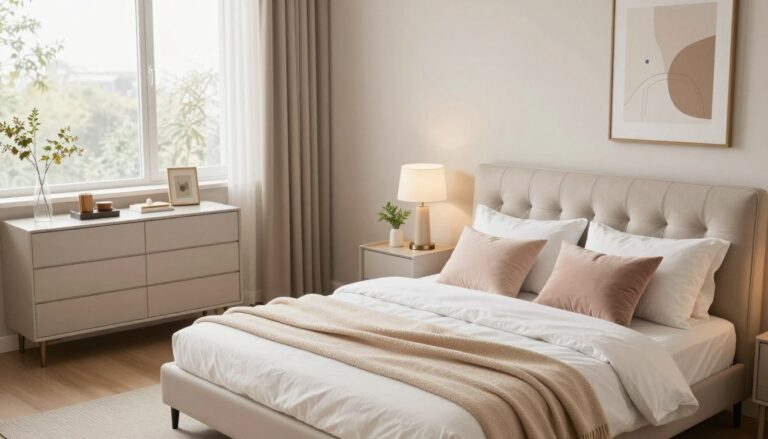
This idea works well in both small and large bedrooms. The key is not to remove personality, but to remove visual noise. Use closed wardrobes, under-bed storage, drawer organizers, and bedside tables with drawers. Keep only a few items visible: a lamp, artwork, plant, book, or tray.
Color combinations can include warm white and taupe, cream and walnut, pale gray and oak, or mushroom and ivory. Add depth with texture: boucle, linen, wool, velvet, or woven cotton.
Lighting should be soft and balanced. Use lamps with fabric shades, warm bulbs, and maybe one sculptural fixture for interest.
Best For:
Busy homeowners, small bedrooms, modern apartments, and anyone who dislikes clutter.
Designer Tip:
Designers often make minimalist bedrooms feel expensive by using texture instead of more objects.
Common Mistake To Avoid:
Do not make the room so empty that it feels cold. Add fabric, wood, a rug, and soft lighting for warmth.
Maintenance Level:
Low Maintenance. Fewer visible items mean faster cleaning and less dust.
Estimated Budget (USD):
$300–$2,500 for storage, bedding, and decor. $5,000–$15,000+ for built-in wardrobes.
The Personal Gallery Bedroom
Purpose:
To make the bedroom feel personal, collected, and emotionally meaningful.
Why It Works:
Future bedrooms will likely feel less like showroom sets and more like personal retreats. Recent design coverage has also noted movement away from perfectly matching bedding and furniture sets toward layered, individual combinations.
Key Features:
- Meaningful artwork
- Mixed but coordinated furniture
- Layered bedding
- Picture lighting
- Personal objects
Detailed Explanation:
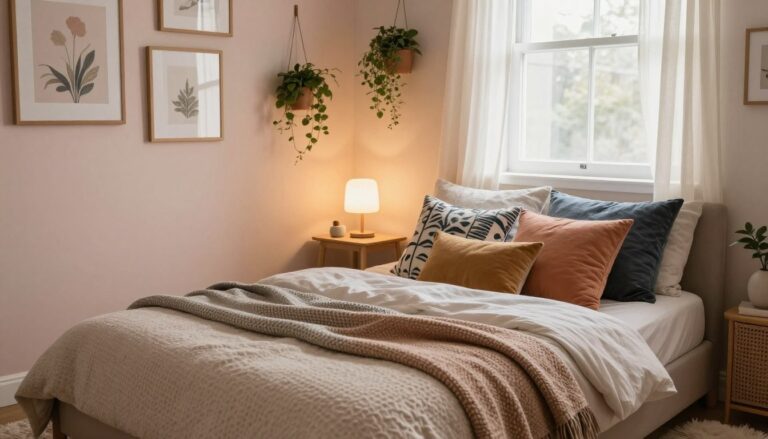
A personal gallery bedroom works best when it feels edited. Choose artwork, photos, prints, or textile pieces that mean something to you. Keep frames in a connected palette, such as black, walnut, brass, or oak, so the wall feels intentional.
Furniture does not have to match perfectly. A wood dresser, upholstered bed, and different nightstands can look beautiful if they share similar scale or color temperature. Bedding can be layered with different textures instead of a full matching set.
This idea works well in medium and large bedrooms. In small rooms, use one large artwork instead of a crowded gallery wall.
Best For:
Creative homeowners, vintage lovers, renters, and anyone who wants a bedroom with personality.
Designer Tip:
A collected bedroom feels better when one element repeats, such as wood tone, frame color, or accent color.
Common Mistake To Avoid:
Do not hang art too high. Bedroom art usually looks best closer to furniture, not floating near the ceiling.
Maintenance Level:
Low Maintenance. Dust frames and rotate small decor occasionally.
Estimated Budget (USD):
$100–$1,500 for prints, frames, bedding, and lamps. $2,000–$8,000+ with furniture upgrades.
The Climate-Conscious Cool Bedroom
Purpose:
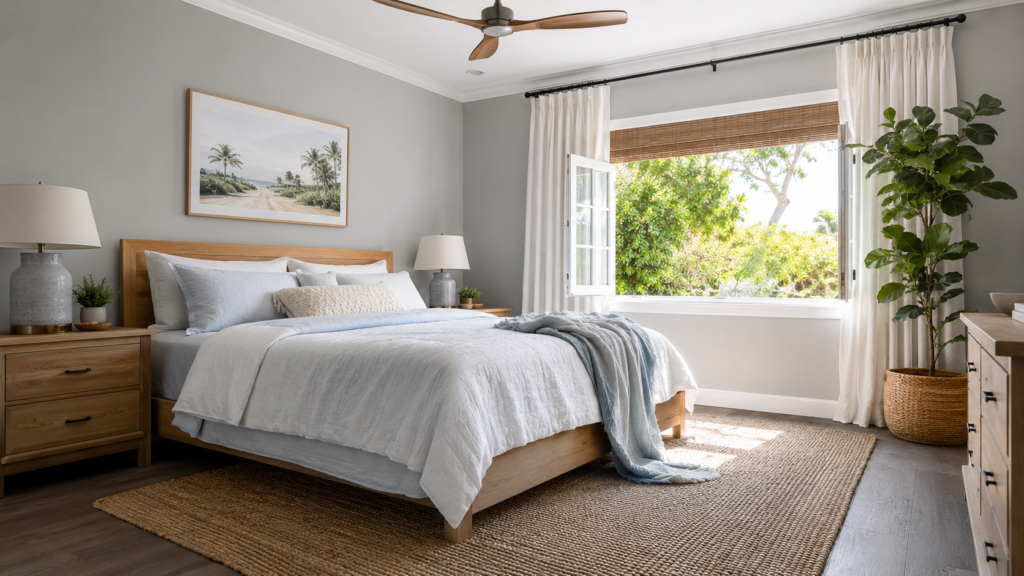
To create a bedroom that stays comfortable, breathable, and practical in warmer conditions.
Why It Works:
A cool, well-ventilated bedroom can support better rest. The National Sleep Foundation recommends a cool, dark, quiet bedroom, with 60–67°F often cited as a helpful sleep temperature range.
Key Features:
- Breathable bedding
- Ceiling fan or quiet fan
- Blackout shades
- Light wall colors
- Moisture-conscious materials
Detailed Explanation:
This idea is especially useful for warm climates, upstairs bedrooms, sunny rooms, and homes where cooling costs matter. Use breathable sheets, lightweight quilts, and layered bedding that can be adjusted by season. Cotton percale, linen, bamboo-blend, and TENCEL-style fabrics are common choices.
Choose lighter colors because they visually cool the room. Soft white, pale blue, light gray, stone, and sand work well. A ceiling fan improves airflow, while blackout shades reduce heat gain from strong sunlight.
Also watch humidity. The EPA recommends keeping indoor humidity below 60%, ideally between 30% and 50%, to help reduce moisture problems.
Best For:
Warm climates, sunny bedrooms, upstairs rooms, and people who sleep hot.
Designer Tip:
Designers often layer window treatments: blackout shades for function and linen curtains for softness.
Common Mistake To Avoid:
Do not use heavy synthetic bedding year-round. It can trap heat and make sleep uncomfortable.
Maintenance Level:
Medium Maintenance. Bedding and curtains need regular washing, and fans need dusting.
Estimated Budget (USD):
$200–$2,000 for bedding, fan, curtains, and shades. $3,000–$10,000+ with window upgrades or HVAC improvements.
Professional Designer Advice for Future-Ready Bedroom Decor
Layout Planning
Start with the bed. The bed is the largest piece in the room and sets the layout. Leave enough walking space on both sides if possible. In small rooms, one side against the wall may be necessary, but try to keep the path clear.
Lighting
Use layered lighting instead of one overhead fixture. A bedroom needs soft evening light, reading light, and practical light for dressing. Dimmers are one of the easiest upgrades because they allow the room to change mood throughout the day.
Scale
Scale is where many bedrooms go wrong. Oversized nightstands can crowd a small room. Tiny lamps can look weak beside a large headboard. Choose furniture that matches the size of the bed and the room.
Balance
Balance does not mean everything has to match. It means the room feels visually steady. If one side has a heavy dresser, balance it with curtains, artwork, or a chair on the other side.
Color Harmony
Use a controlled palette. A good bedroom usually has one main color, one support color, and one accent. For example, warm white walls, oak furniture, and sage green bedding. This keeps the room calm.
Material Selection
Choose materials that feel good and last. Wood, linen, cotton, wool, metal, ceramic, and low-VOC paint are practical and beautiful. Avoid materials that look good online but are hard to clean or uncomfortable in daily life.
Long-Term Durability
Spend more on pieces you touch every day: mattress, bedding, lighting, bed frame, rug, and window treatments. Use affordable decor for trend colors so you can update the room later without replacing major furniture.
Common Bedroom Decor Mistakes to Avoid
1. Buying Furniture Before Measuring
This happens because furniture looks smaller online. Always measure the room, bed wall, door swing, and walking paths before buying.
2. Using Only One Ceiling Light
One overhead light makes the room feel flat. Add bedside lamps, sconces, or floor lamps for comfort and depth.
3. Choosing a Bed That Is Too Large
A king bed can be wonderful, but not if it blocks drawers, doors, or walking space. Choose the largest bed that still allows movement.
4. Ignoring Window Treatments
Bare windows can make the room feel unfinished and too bright at night or early morning. Use blackout shades, curtains, or layered treatments.
5. Overdecorating the Bed
Too many pillows look nice for photos but become annoying daily. Use a practical number that still feels layered.
6. Matching Everything Too Perfectly
Matching bedroom sets can feel dated or flat. Mix materials carefully for a more collected look.
7. Forgetting Storage
A beautiful bedroom can quickly become messy without storage. Use under-bed drawers, wardrobes, baskets, and nightstands with drawers.
8. Using Cold Colors Without Warmth
Gray, white, and black can look elegant, but they need texture. Add wood, warm lighting, wool, linen, or brass to prevent a cold feeling.
9. Placing Art Too High
Bedroom artwork should connect to the furniture below it. Hang it lower than you might expect, especially above beds and dressers.
Bedroom Decor Budget Guide
Budget Friendly: $100–$1,500
This level is best for renters, quick refreshes, and small bedrooms. Focus on bedding, curtains, lamps, rugs, paint, baskets, and artwork.
Best upgrades:
- New bedding
- Dimmable lamps
- Blackout curtains
- Area rug
- Wall art
- Storage baskets
- Low-VOC paint
Mid Range: $1,500–$8,000
This budget can make the bedroom feel much more complete. You can replace the bed frame, mattress, nightstands, dresser, lighting, and window treatments.
Best upgrades:
- Upholstered or wood bed
- Quality mattress
- Matching-scale nightstands
- Better lighting
- Custom-looking curtains
- Wool or washable rug
- Storage furniture
Luxury: $8,000–$35,000+
This range is for full bedroom transformations. It may include built-in wardrobes, custom headboards, premium lighting, designer furniture, acoustic improvements, luxury rugs, and high-end window treatments.
Best upgrades:
- Custom built-ins
- Premium mattress system
- Custom headboard wall
- Designer lighting
- Motorized blackout shades
- Natural fiber rugs
- High-quality wood furniture
Conclusion
The bedroom ideas people will love in 2050 are not about chasing a fantasy version of the future. They are about creating rooms that feel better to live in. A great bedroom should help you sleep, get dressed, store your things, wake up gently, and feel calm at the end of the day.
Start with the problem your room has now. If it feels cluttered, choose hidden storage. If it feels cold, bring in natural texture. If it feels dark, improve the lighting. If it feels too hot, focus on breathable bedding and better window treatments. If it feels impersonal, add art, books, and meaningful details.
The most future-ready bedroom is not the most expensive one. It is the one designed with care. Choose comfort first, beauty second, and trends last. When a bedroom supports your real life and still feels beautiful when you open the door, that is the kind of design that will never feel outdated.