18 Small Bedroom Ideas That Look Bigger Than They Are
Introduction
There’s something quietly frustrating about a small bedroom. You walk in, hoping for calm and comfort, but instead, it feels crowded, cramped, almost suffocating. The furniture feels too heavy, the corners too tight, and the walls seem to inch closer every day. Yet, the truth is, size doesn’t dictate serenity—thoughtful design does. A small bedroom can feel luxurious, open, and effortlessly stylish if approached with care.
The magic happens when you combine clever layouts with smart storage and light-enhancing techniques. Subtle design choices can make the space feel twice as large, transforming it from a functional necessity into a personal sanctuary. Imagine walking into a room that feels airy, balanced, and visually expansive—every inch feels intentional, every object placed with purpose. That’s the power of small bedroom ideas done right.
Whether you live in a bustling apartment or a compact home, these tiny bedroom ideas will help you rethink your space. From maximizing vertical storage to playing with light and textures, each tip is designed to make your room feel bigger without knocking down walls. Let’s unlock the secrets that turn a tight room into a high-end, serene retreat.
1. Go Vertical With Storage
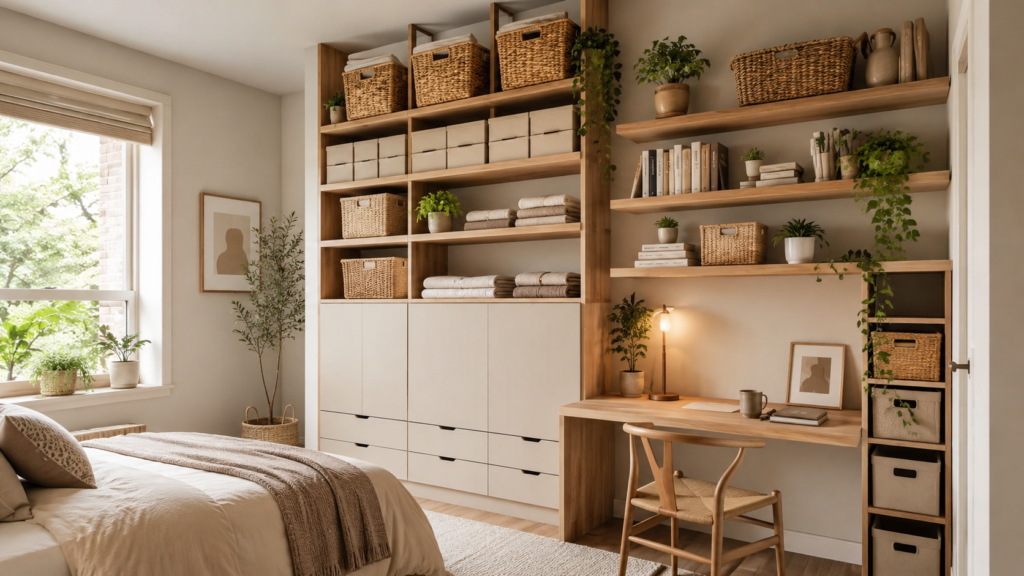
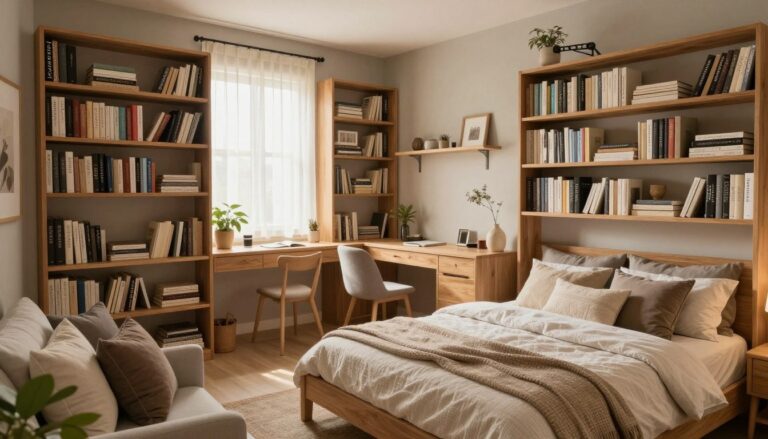
In a small bedroom, horizontal space is precious. One of the most transformative changes is moving storage upwards. Floor-to-ceiling shelves instantly draw the eye upward, creating the illusion of height. A room that once felt boxed in now feels airy and expansive, like the walls themselves are breathing.
Use tall, narrow wardrobes or floating shelves to make the most of vertical space. Designer-approved trick: paint storage units the same shade as your walls for a seamless look. For a modern aesthetic, mix open shelves with closed cabinets to display curated items while hiding clutter. Even budget-friendly options like DIY wall-mounted racks can achieve a striking effect. The key is to think upward—literally.
2. Mirrors That Multiply Space
Mirrors do more than reflect—they expand. Placing a large mirror opposite a window allows natural light to bounce across the room, doubling brightness and visual depth. Suddenly, the space feels larger, fresher, and more inviting. It’s a subtle, almost magical effect that can make a tiny bedroom feel luxurious.
For best results, choose full-length mirrors or mirrored wardrobe doors. Designer secret: avoid reflecting clutter; instead, aim to reflect open floor areas or calming decor. Even a cluster of smaller mirrors can work if arranged thoughtfully. Lean them casually for a relaxed vibe or mount flush for a more sophisticated look. It’s an instant glow-up that doesn’t cost a fortune.
3. Low-Profile Beds That Float
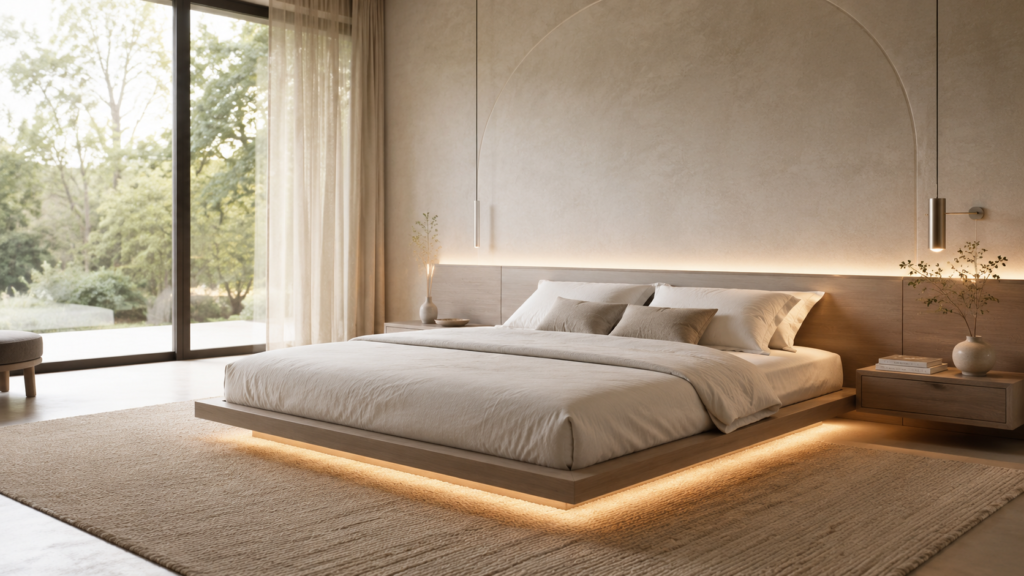
Traditional beds can dominate a room, making it feel cramped. A low-profile or floating bed dramatically changes that perception. With open space underneath, the room feels lighter, more spacious, and elegantly minimal. You’re not adding square footage—you’re enhancing it visually.
Opt for platform beds with slim legs or wall-mounted frames. Keep bedding in soft, neutral tones to enhance openness. Insider tip: add subtle under-bed LED lighting for depth and a high-end finish. Even in a minimalist small bedroom, this creates a visually striking transformation without crowding the room.
4. Multipurpose Furniture
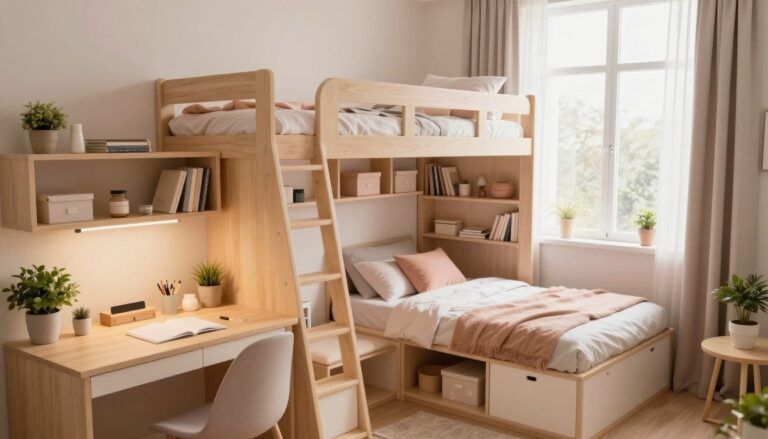
Every item in a compact bedroom should earn its place. A bed with drawers, a fold-out desk, or a storage ottoman transforms the room instantly. The feeling shifts from crowded to curated, where every piece works smarter, not harder.
Select multi-functional furniture that complements your design style. For modern small bedroom setups, opt for clean lines and hidden compartments. Bold or eclectic spaces can use statement pieces that also store items. Pro designer tip: furniture with exposed legs keeps the room feeling light while still being functional.
5. Under-Bed Storage Solutions
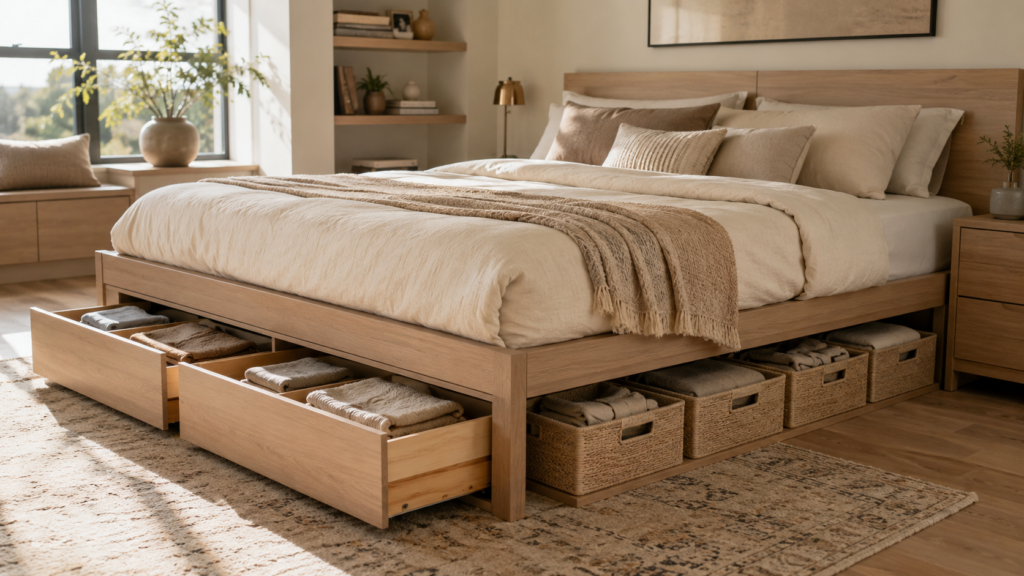
Under-bed storage is often overlooked but can completely declutter a room. Pull-out drawers, rolling bins, or vacuum storage bags hide seasonal items, making the floor feel open and spacious. The visual difference is immediate—the room suddenly feels polished and intentional.
Keep storage containers uniform in color to maintain cohesion. Use soft dividers for smaller items. Designer trick: choose a low bed skirt to conceal storage while keeping a sleek silhouette. Even in tiny bedroom ideas, this approach maximizes utility without compromising style.
6. Light Walls and Ceilings
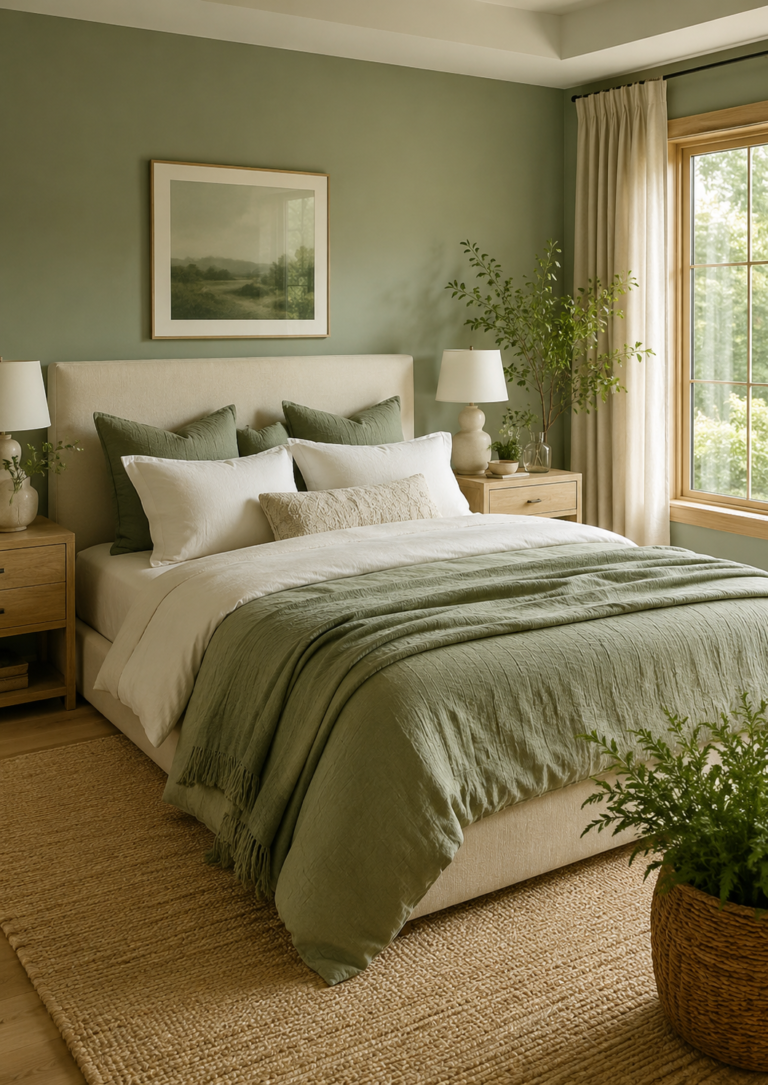
Color can dramatically alter perception. Pale walls and ceilings reflect light, making a room feel more open and airy. A dark or saturated palette can close in a small bedroom, but soft whites, creams, or pastels instantly expand it.
Layer textures to add depth without overpowering the space. Designer secret: paint lower furniture slightly darker to anchor the room while keeping walls light for vertical lift. Even in a cozy small bedroom, this subtle approach creates effortless elegance and a high-end feel.
7. Layered Lighting
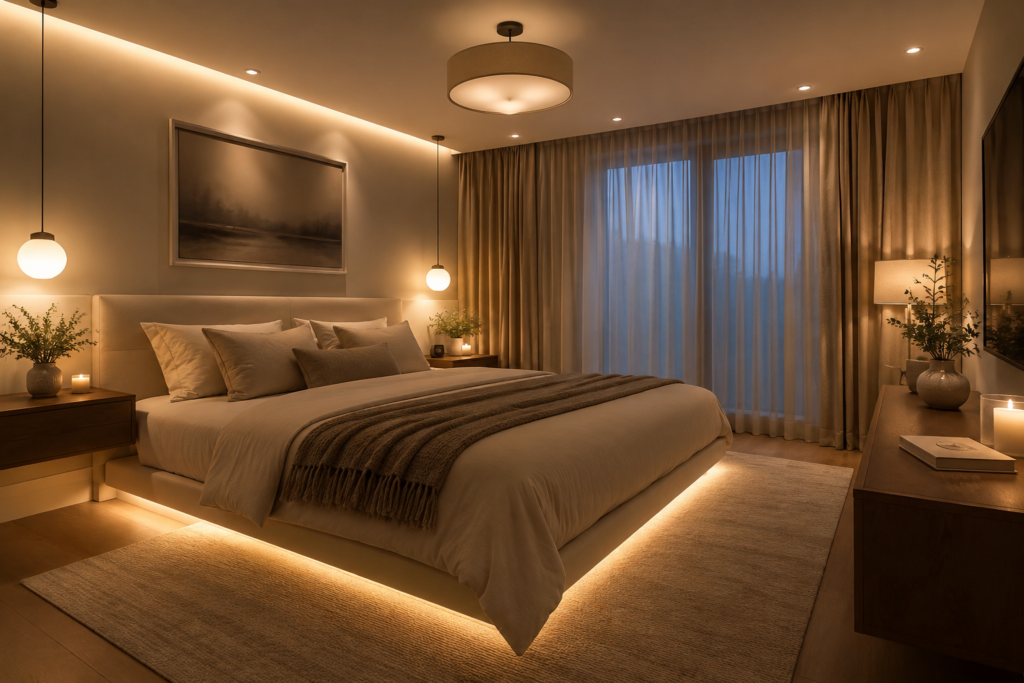
Relying on a single light source flattens a room. Layered lighting—ambient, task, and accent—adds depth, warmth, and dimension. The transformation is subtle but impactful: shadows and highlights make the space feel larger and more luxurious.
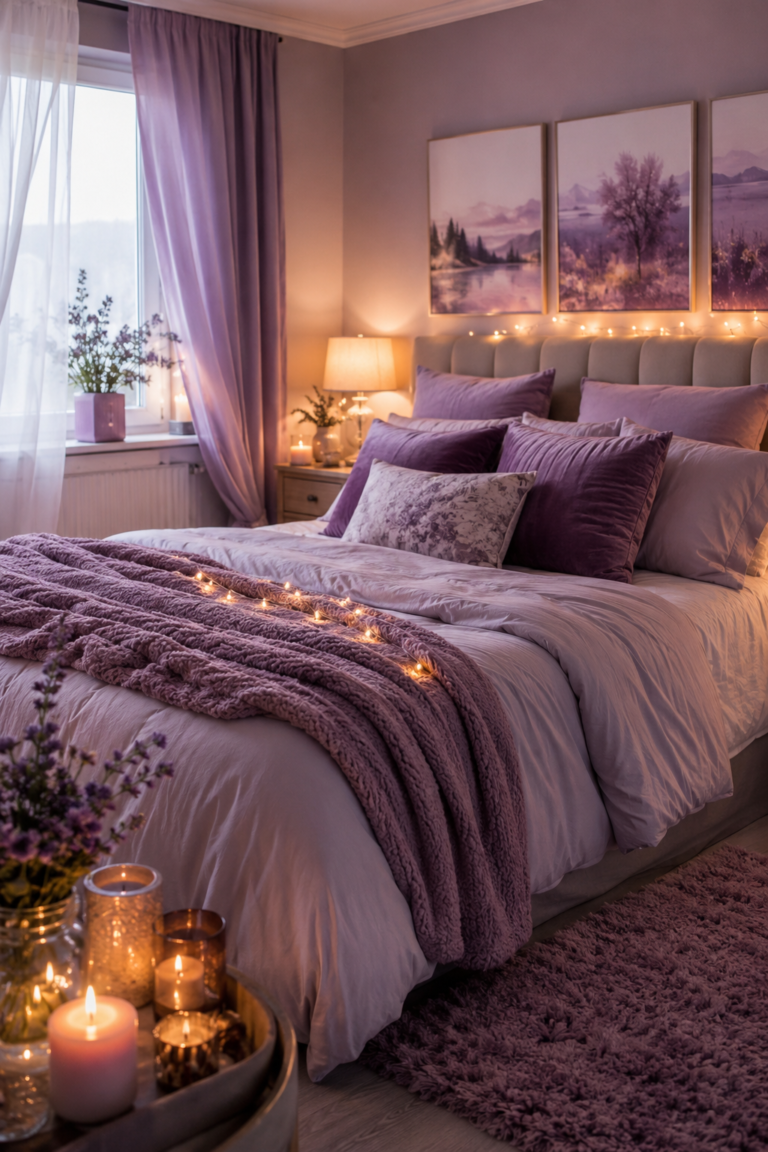
Combine ceiling lights with wall sconces, floor lamps, and LED strips. A smart tip: install dimmers for full control over mood. Even a minimalist small bedroom can feel dramatically different with intentional light layering.
8. Floating Desks and Nightstands
In tight bedrooms, floor space is precious. Floating desks or wall-mounted nightstands free up room beneath, creating visual openness. It makes movement effortless and avoids the heavy, crowded feeling of traditional furniture.
Use wall-mounted shelves above floating pieces for extra storage. Designer trick: match the finish to your walls for seamless integration. Even in a compact bedroom, this instantly elevates the design while maintaining practicality.
9. Sliding Doors Instead of Hinged
Hinged doors require clearance and can restrict furniture placement. Sliding doors—whether for closets or entrances—remove this limitation, freeing space and smoothing flow. The room feels less segmented and more expansive.
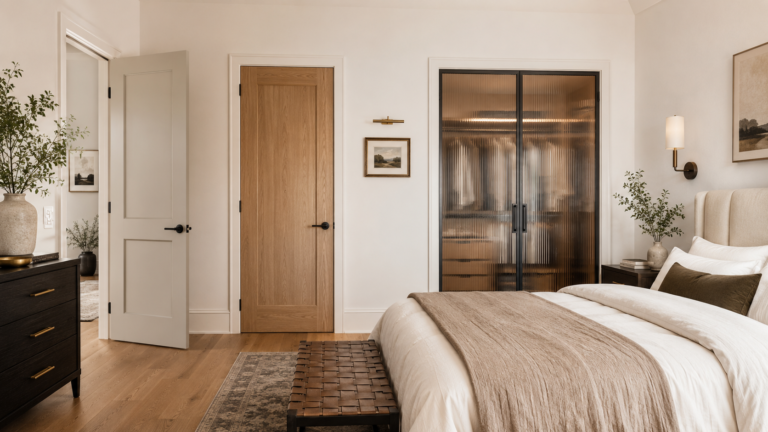
Opt for frosted glass or wooden sliding panels to complement your design. Insider tip: track hardware should be hidden for a sleek, modern finish. This small adjustment can dramatically improve layout flexibility.
10. Strategic Rug Placement
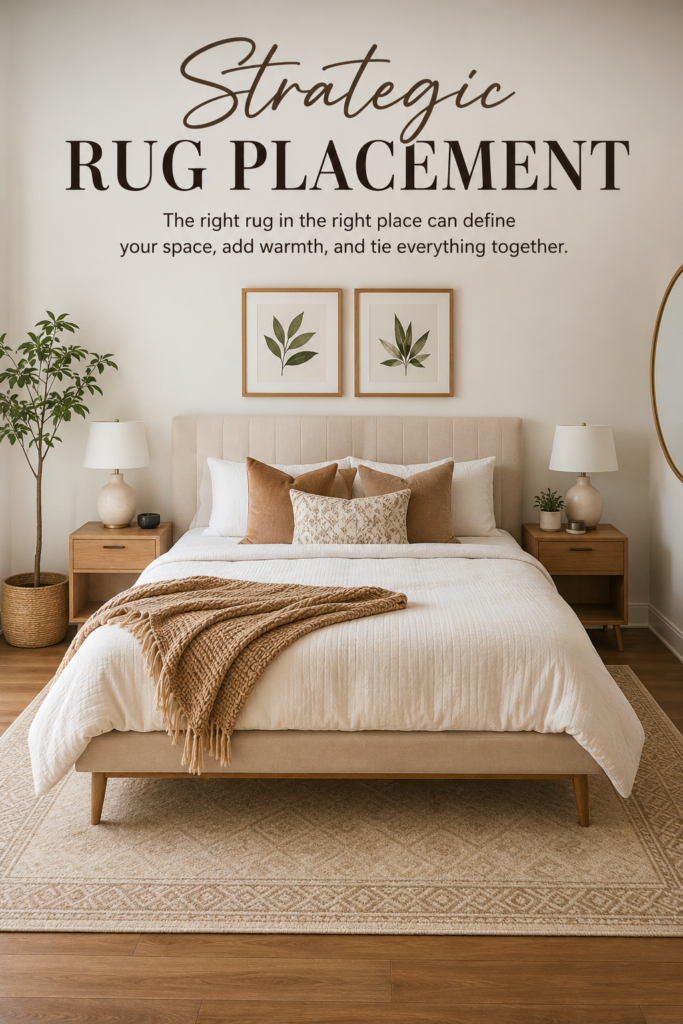
A rug can define a room without dividing it. Properly sized and placed, rugs anchor furniture and add warmth, making the room feel larger and more cohesive. A tiny bedroom instantly gains visual flow and depth.
Choose light tones or subtle patterns to avoid visual clutter. Extend rugs slightly beyond furniture edges for a perception of space. Designer-approved trick: layering a thin secondary rug adds texture and dimension without shrinking the room.
11. Minimalist Decor Accents
Clutter makes any small room feel tighter. Minimalist decor emphasizes intentionality, turning a bedroom into a serene retreat. Even one or two statement pieces can create a luxurious vibe without consuming space.
Select curated artwork, a single vase, or a standout lamp. Keep surfaces clear to enhance openness. Insider tip: repeat one color or texture across multiple items to unify the space effortlessly.
12. Transparent Furniture Choices
Glass or acrylic furniture creates the illusion of openness. It serves its function without visually weighing down a compact bedroom. Chairs, desks, or tables can disappear into the room, giving it an airy feel.
Pair transparent pieces with light-toned textiles. Designer trick: combine acrylic with reflective surfaces for double the perception of space. Even bold modern small bedroom setups can benefit from this subtle yet striking strategy.
13. Wall Niches for Functional Elegance
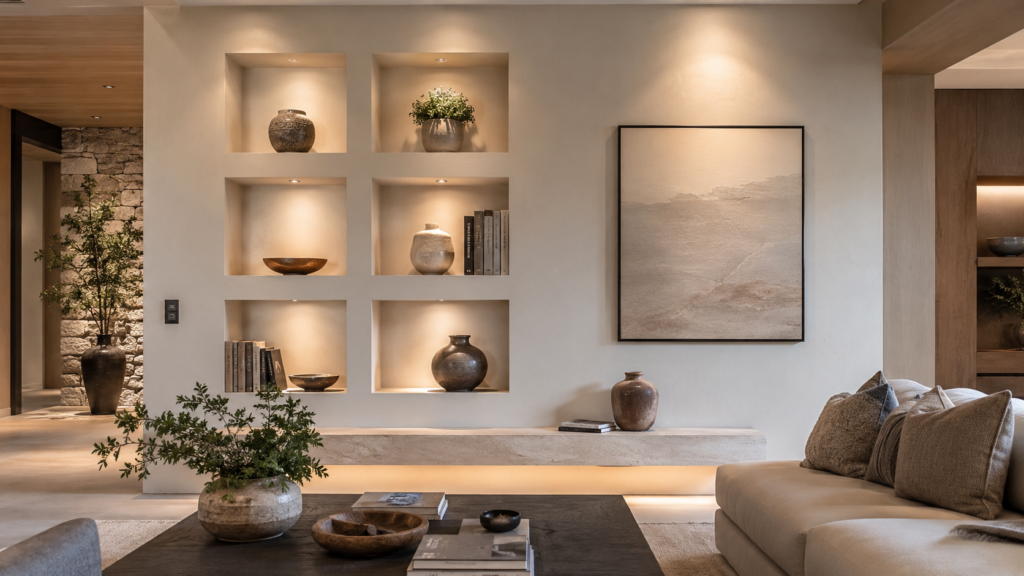
Incorporating wall niches adds storage without protruding into the room. They feel integrated, almost architectural, and can be styled with books, lights, or decorative items.
Use consistent spacing and subtle lighting for depth. Designer secret: install glass shelves within niches for a floating, luxurious effect. This approach enhances small bedroom styling while keeping floors uncluttered.
14. Mirrors as Art Pieces
Instead of plain mirrors, use decorative mirrors that double as wall art. This draws attention while visually expanding the room. The combination of function and style feels high-end without occupying extra space.
Cluster small mirrors or use geometric shapes for interest. Smart tip: hang them at eye level to maximize depth perception. Even compact bedroom ideas can feel gallery-like with this touch.
15. Foldable or Wall-Mounted Tables
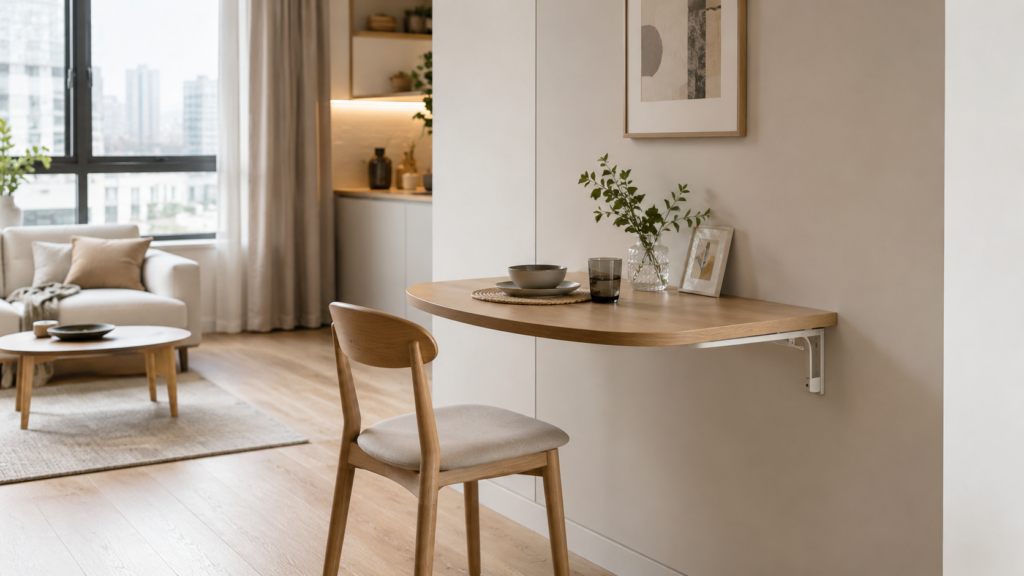
A foldable table transforms from workspace to wall decoration when not in use. This keeps the room versatile and visually open.
Mount tables flush to walls, and store chairs that tuck neatly underneath. Designer secret: choose lightweight materials that complement your palette for seamless integration. Functional, stylish, and space-saving.
16. Cohesive Bedding and Textiles
Mismatched bedding can fragment a small bedroom. Cohesive colors and textures unify the space, making it feel larger and more sophisticated.
Stick to one palette and layer textures instead of colors. Designer-approved trick: use vertical stripes or patterns on pillows or throws to draw the eye upward, enhancing height perception.
17. Corner-Friendly Furniture
Corners are often overlooked. A small reading chair, corner desk, or shelving unit makes underutilized areas functional, opening up central space.
Keep furniture light in weight or visually transparent. Insider tip: angled pieces soften the room’s geometry and create flow, enhancing small room design ideas.
18. Light Curtains That Float
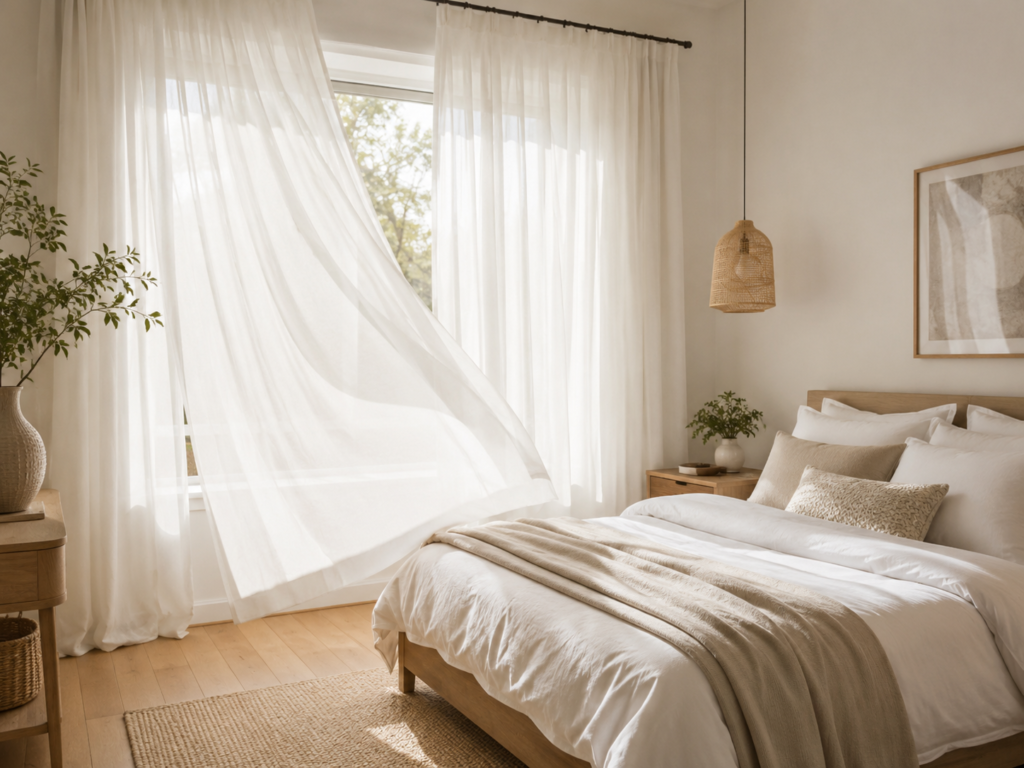
Heavy drapes shrink rooms. Replace them with light, sheer curtains that let sunlight stream in, making a small bedroom feel airy and elevated.
Mount curtain rods close to the ceiling to exaggerate height. Designer secret: use neutral shades to maintain a calm, open feeling bedroom, even in compact spaces.
Conclusion
A small bedroom can be more than a functional space—it can feel like a curated, high-end sanctuary. Thoughtful design choices—from light-reflecting mirrors to clever storage solutions—reshape perception, making the room feel larger and more inviting.
Start small: pick one idea, implement it, and watch your space transform. Layered intentionally, these 18 small bedroom ideas bring both practicality and effortless elegance. Even a compact room can evoke serenity, sophistication, and personal style.
When design meets intention, a tiny bedroom doesn’t feel limited—it feels elevated. Small spaces, when treated thoughtfully, can become visually striking retreats that are as calming as they are beautiful.